
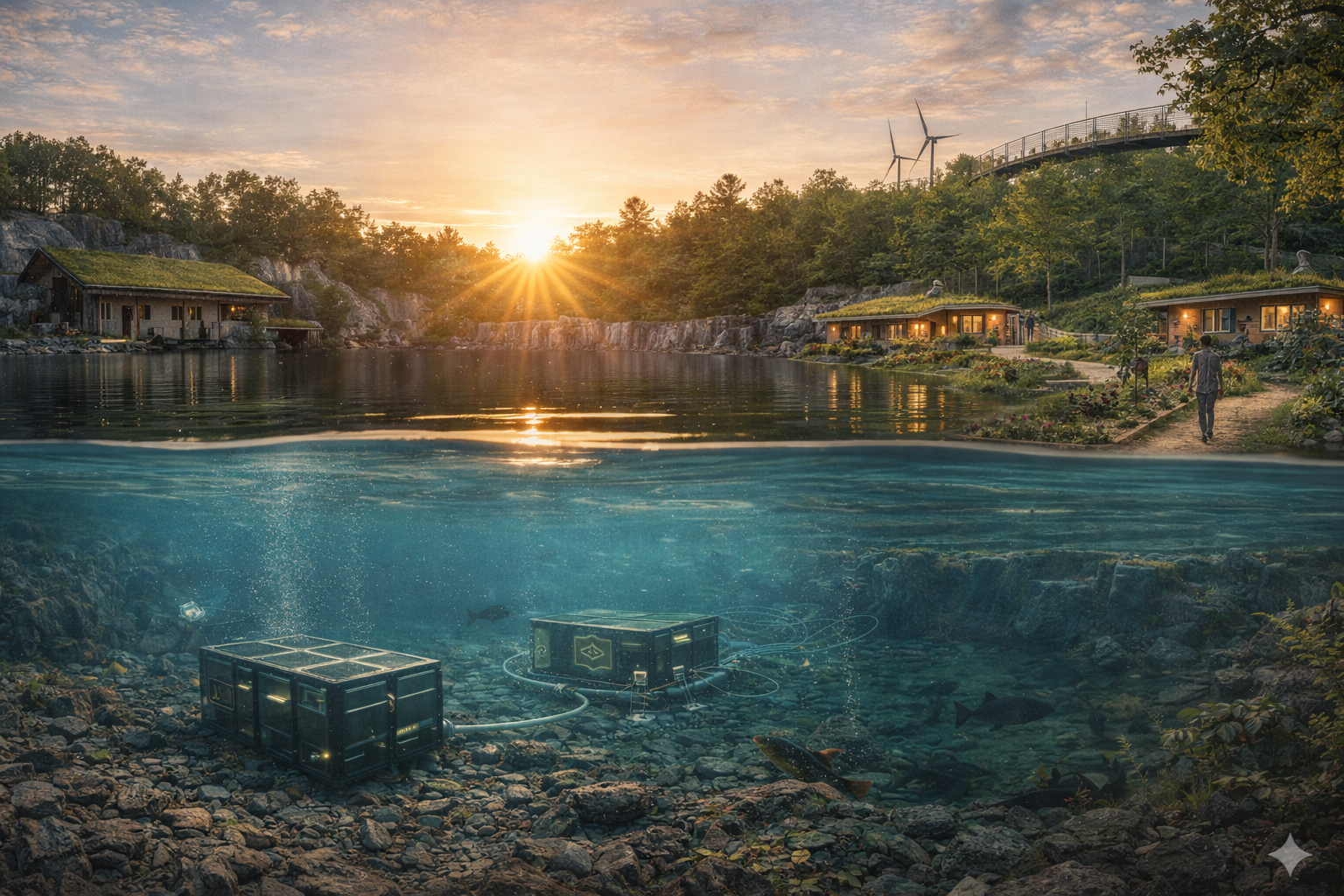
Who We Are
We are not building another data center company.
We are building a correction.
For decades, digital infrastructure has been treated as invisible — sterile warehouses hidden beyond city lines, fed by power plants and cooled by rivers that no one sees. The cloud has always felt weightless. But it is not weightless. It has mass. It has heat. It has consequences.
The next wave of artificial intelligence will not float above the Earth.
It will sit on it.
And if we build it the way we have built everything else — extract, scale, discard — we will accelerate the very instability we claim technology exists to solve.
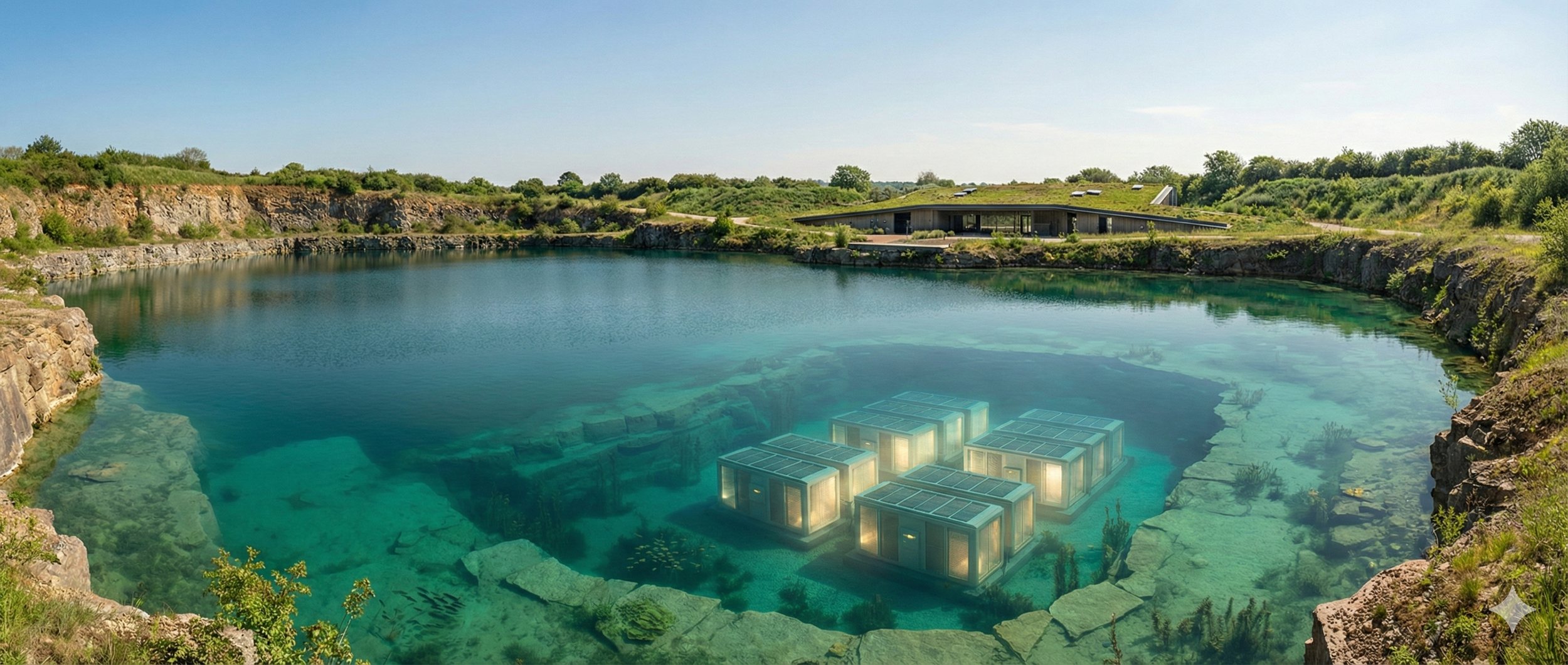
Stewardship Compute was founded on a simple refusal:
We refuse to treat land, water, workers, or communities as disposable inputs to a digital machine.
We believe infrastructure should behave like part of the ecosystem, not an exception to it.
We Believe in Responsibility at Scale
The future of computing will be energy-intensive. That is a fact.
But energy-intensive does not have to mean ecologically destructive.
What if digital infrastructure restored habitat instead of degrading it?
What if cooling systems improved water quality instead of depleting it?
What if high-density compute stabilized local economies instead of extracting wealth from them?
What if the next generation of AI infrastructure made the surrounding land measurably healthier?
These are not marketing questions.
They are engineering questions.
And they are moral questions.
We Are Building Regenerative Infrastructure
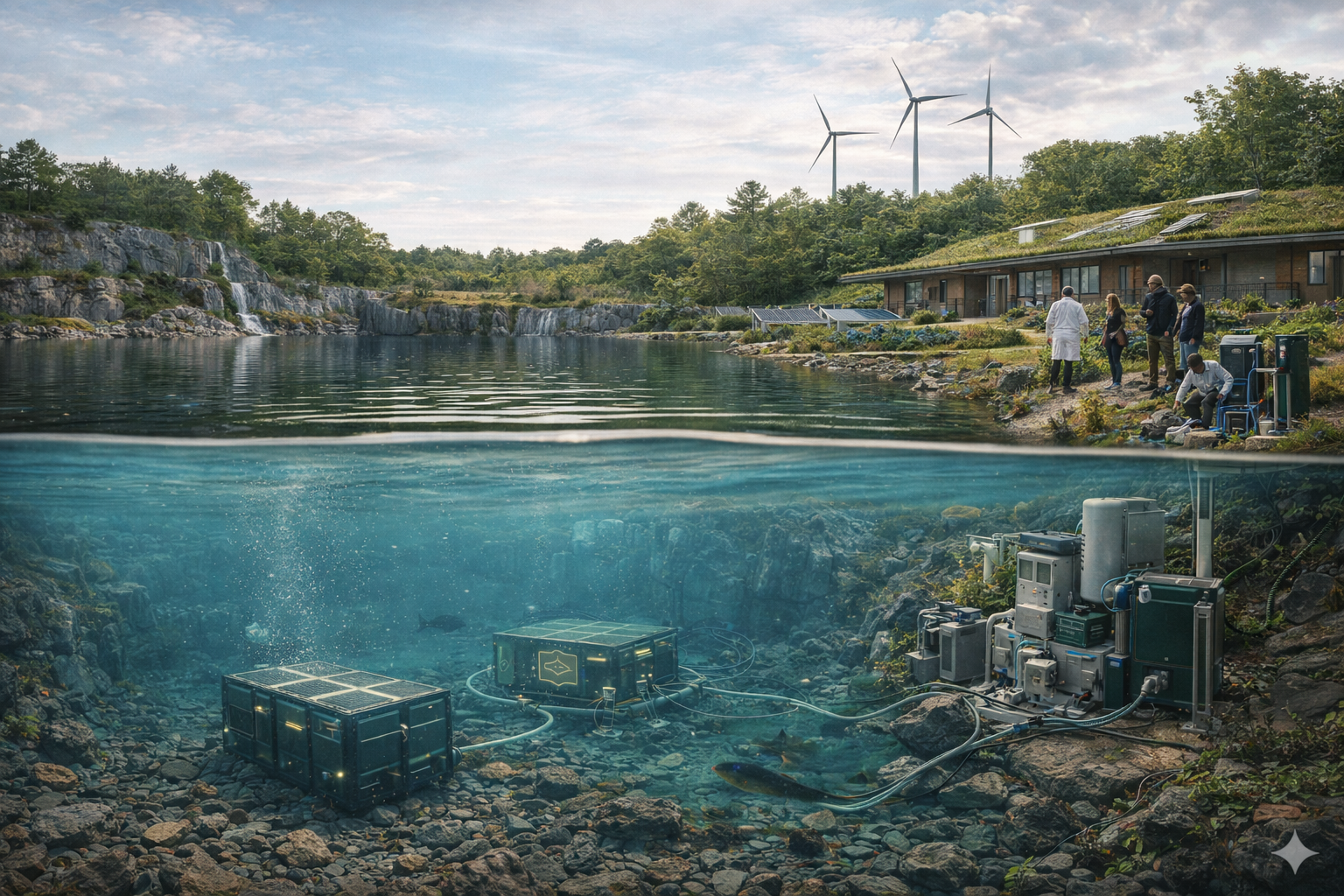
Stewardship Compute exists to design, test, and operate ecological-compute systems that:
Restore land and water
Stabilize workers and communities
Operate transparently and scientifically
Leave measurable environmental improvement in their wake
Our flagship model, Node Zero, is not just a facility.
It is a test of whether digital infrastructure can function as a living participant in the ecosystem around it.
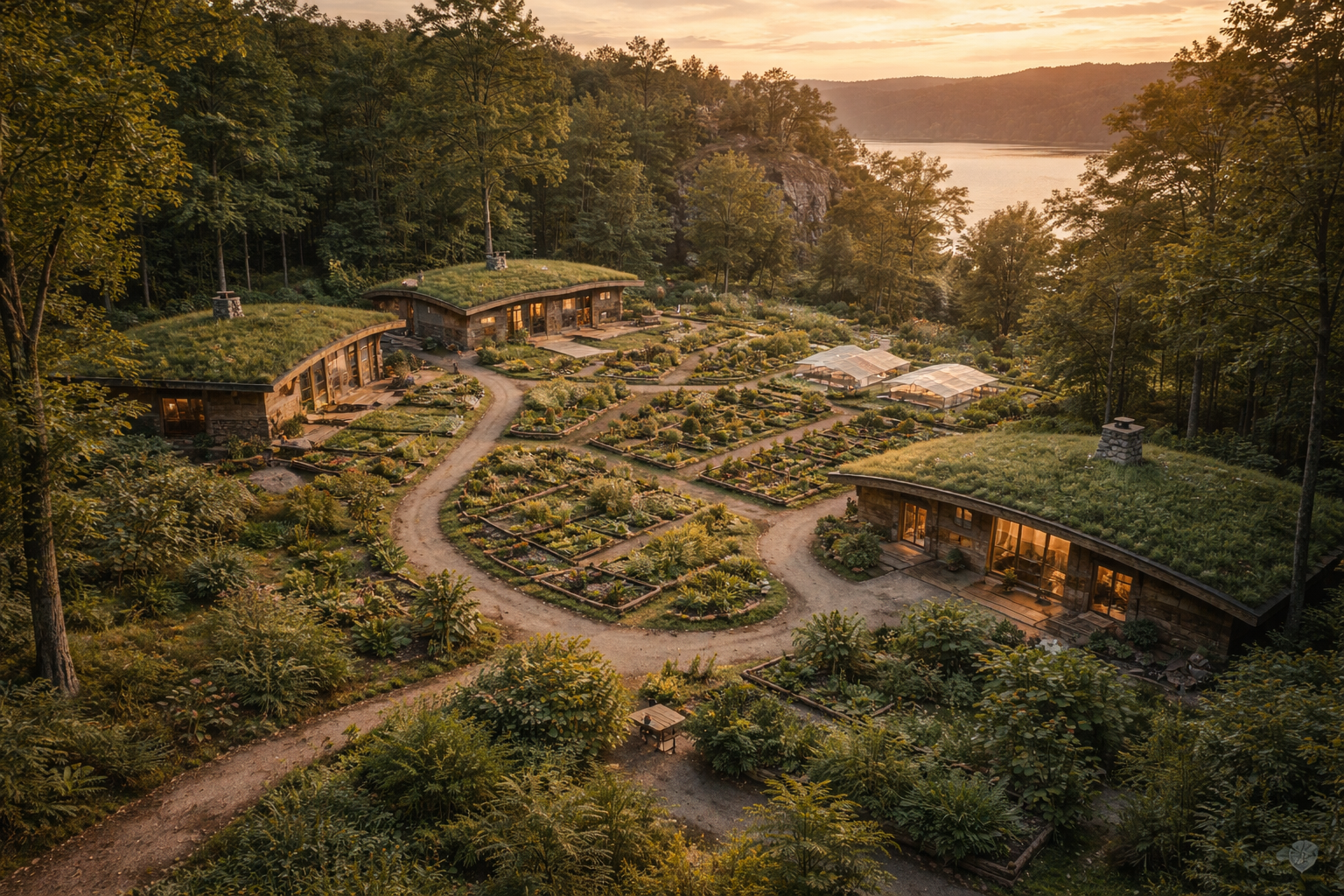
The Future Has a Physical Address
Stewardship is not a concept.
It is a place.
It is what happens when infrastructure is designed to belong —
when technology lives inside the landscape instead of above it.
This is where research happens.
Where decisions are made in the open.
Where energy is accounted for.
Where water is measured.
Where land is improved, not displaced.
This is what responsibility looks like when it becomes architecture.
This is what scale looks like when it answers to ecology.
This is what digital civilization looks like when it chooses to grow up.
We are building systems that can endure scrutiny,
withstand time,
and remain worthy of the land they occupy.
Not because it is easy.
But because anything less would be irresponsible.
Stewardship Compute exists for the long horizon.
For the communities who will live beside this infrastructure.
For the ecosystems that must remain healthier because it was built.
For the generations who will inherit whatever we choose to construct now.
The future of intelligence is not abstract.
It will be rooted somewhere.
We are choosing to root it here.